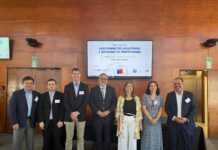
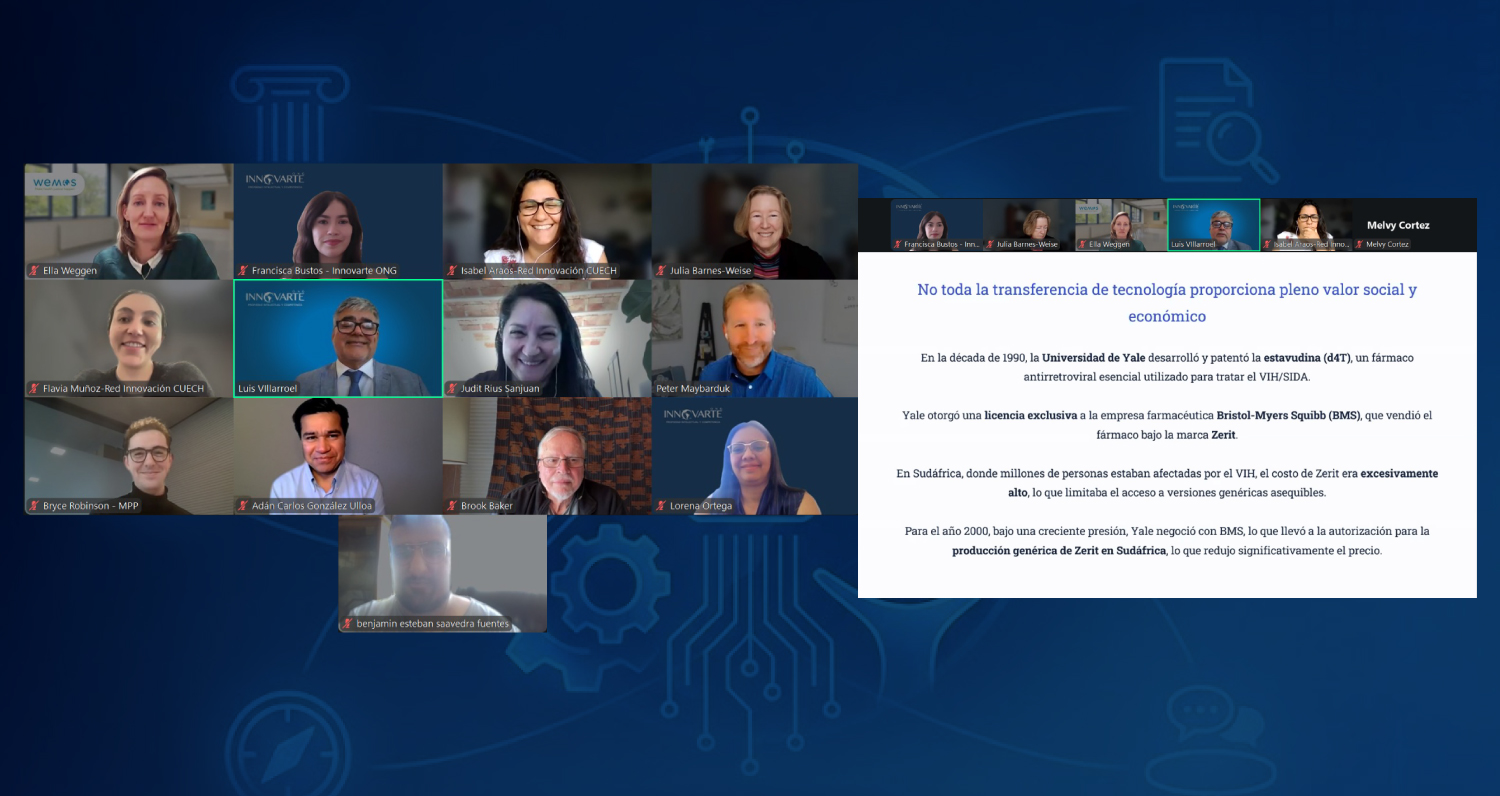
From Innovarte ONG we celebrate the success of the launch of our report “Different incentives for Voluntary and Socially Responsible Licensing”, held on Tuesday, February 3, 2026, in collaboration with the Innovation Network of the Consortium of State Universities of Chile (CUECH).
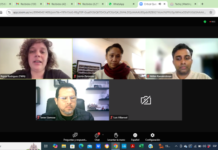
The event, broadcasted by Zoom, brought together leading national and international experts in an enriching dialogue on the challenges of licensing innovations and technologies, and the key incentives to promote voluntary and socially responsible practices that maximize the social impact of innovation, especially in areas such as health and equitable access to knowledge.
The event drew great interest, with more than 90 people registered, including authorities and representatives of public institutions from several countries, such as the Institute of Public Health and the Institute of Agricultural Research of Chile; the Ministry of Development, Industry and Commerce, the Nicaraguan Institute of Agricultural Technology and the Institute of Agricultural Health Protection of Nicaragua; the Superintendence of Industry and Commerce of Colombia; the National Directorate of Industrial Property of the Ministry of Industry, Energy and Mining of Uruguay; the National Institute of Industrial Property of Brazil; and the National Registry Center together with the Salvadoran Institute of Intellectual Property of El Salvador.
The event began with the opening remarks and the presentation of the report by Luis Villarroel, Director of Innovarte NGO, who presented the main findings of the study and the public policy recommendations aimed at national governments, public and private funders, and international organizations such as the WHO and WIPO. During his speech, he highlighted the key challenges identified and the most powerful incentives, such as the conditioning of public financing and tax or regulatory benefits. He also underscored the valuable collaborative work that Innovarte has been developing with the CUECH Innovation Network, with a view to building socially responsible licensing principles adapted to the Chilean and Latin American reality, taking advantage of the mandate of the common good already present in public universities.
This part was followed by a panel discussion consisting of:
- Isabel Araos Boussac, Coordinator of the Innovation Network of the Consortium of State Universities of Chile (CUECH), who highlighted the mandate of the common good already present in Chilean universities and the opportunity to build a common framework of principles adapted to the local reality.
- Julia Barnes-Weise, Executive Director of the Global Healthcare Innovation Alliance Accelerator (GHIAA), who emphasized the need to incorporate an explicit access plan from the first licensing contracts to ensure that innovation reaches the entire population that needs it.
- Ella Weggen, Senior Expert in global health at Wemos, who shared the European experience of conditioning public funding on principles of responsible licensing and proposed incentives such as patent vouchers to reward fair practices.
- James Love, Director of Knowledge Ecology International (KEI), who presented innovative ideas as international consortiums of reciprocal licensing, appealing to align incentives with the real interests of the actors.
Panelists shared diverse perspectives on the obstacles facing LSR, priority incentives, and concrete strategies to advance this agenda, generating valuable exchange and broad consensus on the need for policies that foster transparency, collaboration, and the alignment of innovation with societal goals.
We thank our panelists for their commitment and contributions, the CUECH Innovation Network for the co-organization, and the attendees and viewers who followed the broadcast, demonstrating the growing interest in licensing practices that prioritize the common good. From Innovarte NGO, we will continue to work on this thematic line and report our progress.
Links of interest:
- Link to the report in English
- Link to the report in Spanish
- Recording of the event in English:
- Recording of the event in Spanish: